
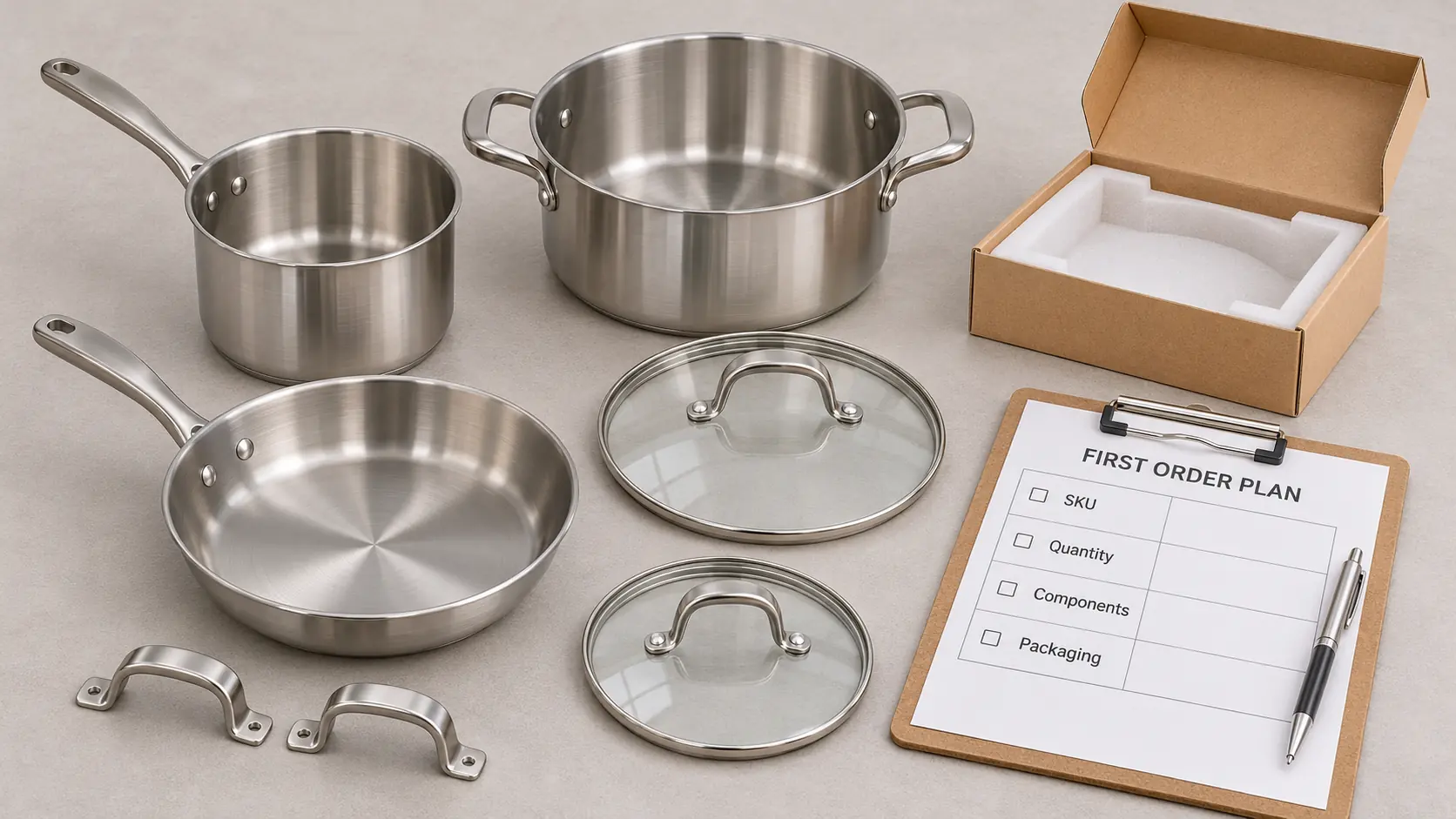
For a low-MOQ cookware order, first confirm the unit: does “500” mean individual pans or retail sets? Then check whether the minimum applies separately to each model, size or finish. Handles, lids and packaging may have their own purchasing requirements. For private-label brands, importers and retail buyers launching stainless steel or tri-ply cookware, these details affect both the first-order budget and the launch date. This guide explains how to compare customization options, plan quantities, budget the first order and prepare a request for quotation (RFQ).
Key Takeaways
- Record MOQ with its unit and scope: per model, size, finish, packaging version or set.
- Check component and packaging commitments alongside finished cookware quantities.
- Compare total first-order cash payments and payment dates, not only the unit price.
- Approve specifications and representative samples, then confirm when production and replenishment clocks start.
1. What Does MOQ Mean for a Cookware Order?
Minimum order quantity (MOQ) is the smallest quantity a supplier accepts for a stated product and configuration. There is no universal threshold for “low MOQ.” Private-label cookware carries the buyer’s brand. The development work depends on which parts of the product need to change.
| Quantity basis | Write down | Confirm separately |
|---|---|---|
| Model and size | Model, diameter, construction, quantity | Whether different sizes can count together |
| Finish or component variant | Each finish, handle and lid combination | Separate batches or purchasing minimums |
| Retail set | Number of sets and exact contents | How lids and accessories enter the piece count |
| Packaging | Each box size and artwork version | Print minimum, order increment and carton quantity |
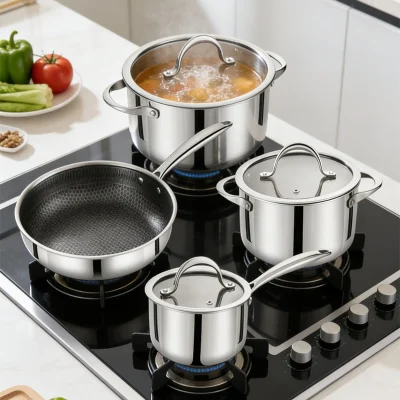
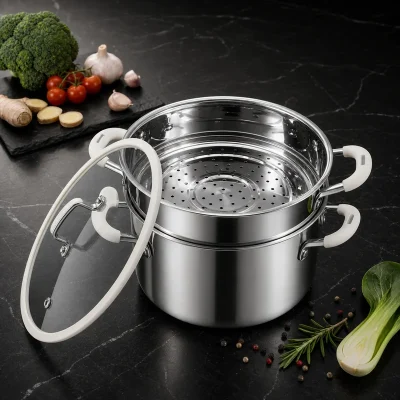
The GS-01622-6PC cookware set illustrates the distinction: its six pieces are three cookware bodies and three matching glass lids. An order of 500 sets therefore needs 1,500 bodies and 1,500 lids across the three sizes. List the quantities for each size separately in the quotation.
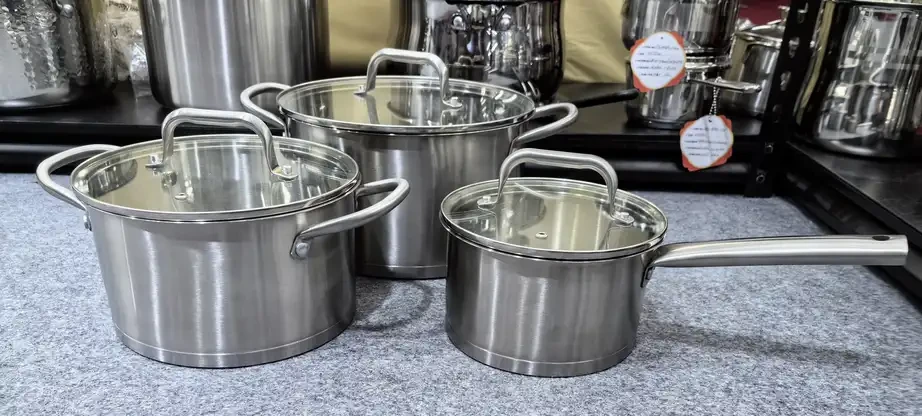
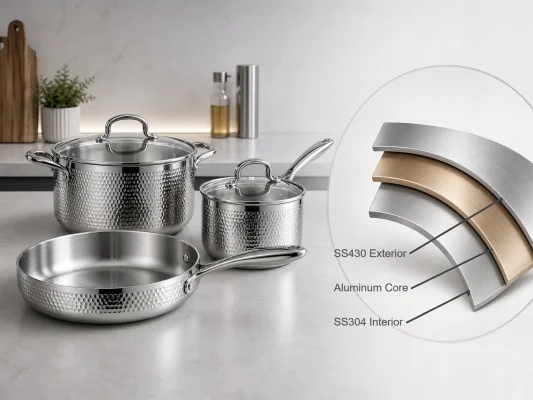
When comparing tri-ply cookware sets, request the composition sheet. Also distinguish the minimum quantity from order increments and pieces per shipping carton.
2. Why a Small Cookware Order Can Have Several Minimums
The finished pan sits at the end of several supply decisions. Its body material, lid, handle, finish and box do not necessarily share one minimum. For example, glass-lid manufacturer Shixing lists a standard MOQ of 2,000 pieces per size.
Packaging has its own rules. Packhelp distinguishes editor-designed boxes from non-standard orders, which have higher minimums. These are individual suppliers’ published terms; the component and packaging minimums for your cookware order need a separate quotation.
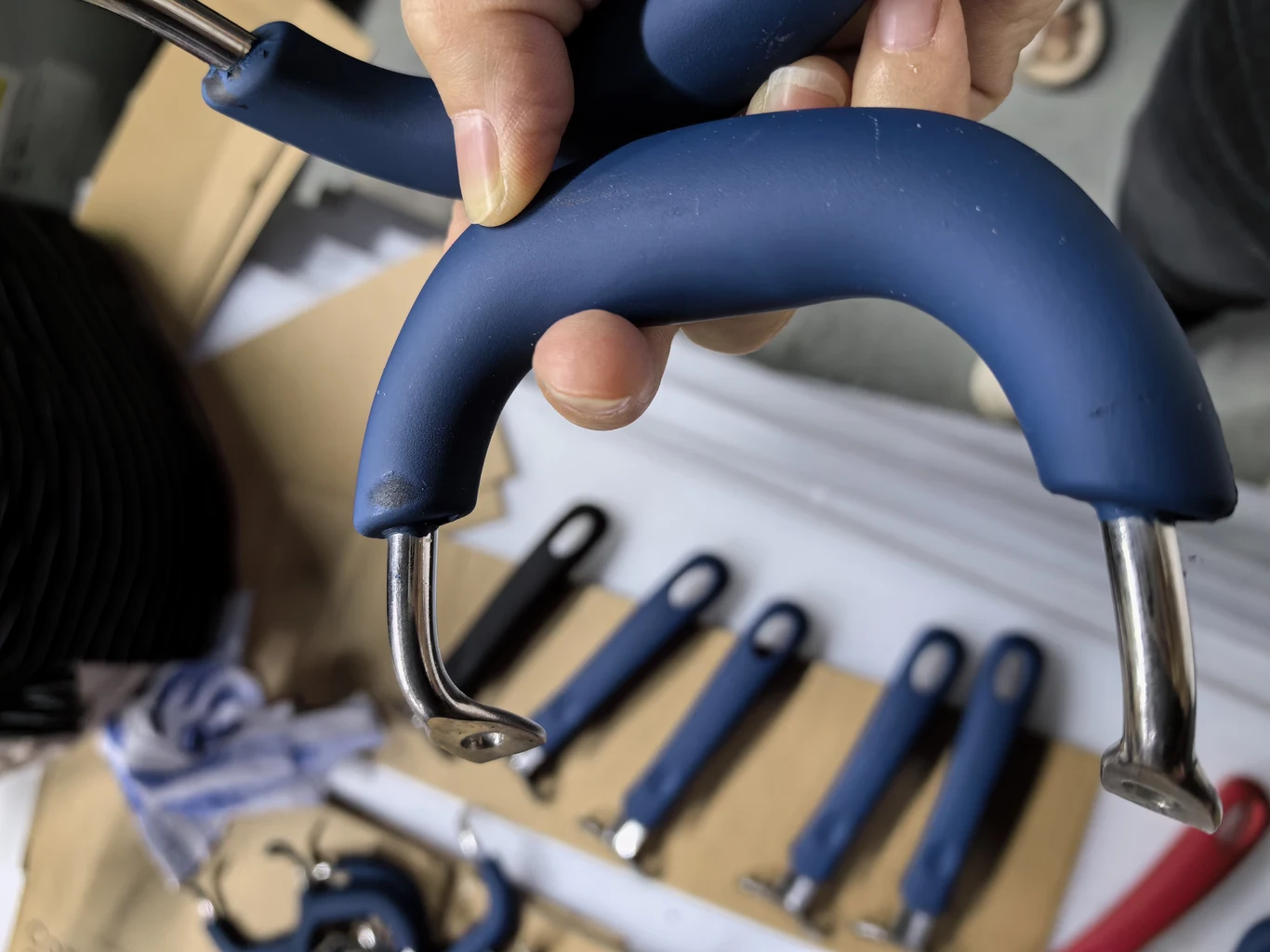
Ask which components are already available, which require new purchasing and who pays for leftovers. Shared components may help, but identical nominal diameters do not prove lid fit. Drawings and samples must confirm compatibility. Existing stock, shared purchasing and permitted leftovers can change the arrangement, so taking the largest component MOQ as the finished-product MOQ is unreliable.
Keep a finished-goods schedule and a separate component schedule. For each component, multiply the quantity of each finished SKU by its component usage, then combine requirements for genuinely shared parts. Record agreed wastage, spares and test consumption separately. Available stock must match the specification and be unallocated to other orders.
| Item to record | Quantity check | Commercial check |
|---|---|---|
| Lid, handle or other component | Usage per SKU; net demand; usable stock; new purchase; remainder | Purchasing minimum, ownership, storage and repeat-order use |
| Box, insert or label version | Units required; print quantity; carton multiples; remainder | Artwork approval, included charges and change costs |
3. Choose Your First-Order Customization Route
Choose the route by what must change. Branding, component adaptation and a new body design create different work. The broader private label, OEM, ODM and contract manufacturing comparison explains design responsibilities.
| Route | Useful starting point | Confirm before committing |
|---|---|---|
| Existing cookware + branding | Validate a brand, channel or price position using available designs | Permitted specifications, logo setup, packaging and sample charges |
| Existing body + component or finish changes | Differentiate handling, appearance or assortment | Compatibility, component minimums, tooling and additional validation |
| New body or structural development | Develop a product whose key feature needs a new shape or structure | Engineering, tooling terms, prototypes, revisions and approval stages |
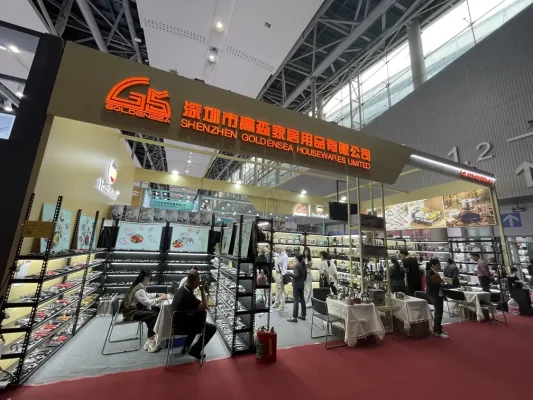
Goldensea’s custom cookware options provide a basis for discussing these choices. Existing tooling does not remove every setup cost, and a small-looking handle change can still require development. Request comparable proposals for essential changes and a simpler starting configuration.
4. Plan SKUs and Quantities Before Negotiating MOQ
A stock-keeping unit (SKU) identifies an inventory item or variant. Start with what the channel needs to sell, then list each size, finish and packaging combination. More SKUs can test a wider assortment while adding separate commitments; fewer SKUs also reduce product coverage. Neither approach is automatically best.
SKU planning example — not a Goldensea quotation. All quantities, prices and purchasing conditions below are hypothetical.
Suppose A is a 24 cm fry pan, B a 24 cm shallow pan and C a 20 cm saucepan. The buyer wants 300 of each, but the hypothetical supplier requires 500 per model.
| Plan | A / B / C | Total pieces | Illustrative goods payment |
|---|---|---|---|
| Initial request | 300 / 300 / 300 | 900 | Does not meet the assumed minimums |
| Three models | 500 / 500 / 500 | 1,500 | USD 36,000 |
| Start with A and B | 500 / 500 / 0 | 1,000 | USD 22,000 |
Assumed prices are USD 20, 24 and 28 respectively. If engineering confirms A and B share one lid, 1,000 pans need 1,000 lids. With no usable stock, an assumed 1,500-lid purchasing minimum leaves 500 unused. At USD 2 each, buyer-funded leftovers tie up another USD 1,000. The goods prices already include the 1,000 fitted lids; adding all 1,500 lids again would double-count them.
Apply the same check to boxes: record required, purchased and leftover quantities by artwork. Agree ownership, storage, charges and later use. Splitting deliveries may reduce the first shipment without reducing the total purchase commitment, payment obligation or collection deadline.
Return to the original three-model plan for a packaging comparison. Suppose each model has its own box design, each design requires 1,000 printed boxes, and the order is 500 cookware units per model. You would buy 3,000 boxes, use 1,500 and retain 1,500. Under the same assumptions, starting with A and B would mean buying 2,000 boxes, using 1,000 and retaining 1,000. Ask whether a standard box with model-specific labels is workable, then compare price, protection and presentation. Check that the range still serves the channel before dropping model C.
5. Build a First-Order Budget Beyond the Unit Price
A lower unit price may require more stock and cash. NIST’s total-cost-of-ownership guidance considers costs beyond purchasing, including freight, inventory and supplier management. For a first order, separately track actual cash payments, recurring procurement expenses and how development costs are allocated for analysis.
First-order budget example — not a Goldensea quotation. Assume an accepted order of 500 existing-design, 24 cm uncoated stainless steel fry pans, with an existing handle and no new product mold. All figures are hypothetical USD amounts.
| Item | Basis | USD |
|---|---|---|
| Finished cookware | 500 × 22; agreed basic packaging and logo work included | 11,000 |
| Initial artwork / logo setup | Separate initial charge | 350 |
| Samples and sample freight | This round | 200 |
| Initial testing | Assumed scope for this example | 600 |
| Inspection | This batch | 250 |
| Bulk logistics | Assumed agreed service scope | 1,800 |
| Additional receiving / handling | Separate from logistics above | 350 |
| Listed cash payments | Excludes unused reserve | 14,550 |
| Cash reserve | Unspent funding buffer | 500 |
| Funds to prepare | Listed payments + reserve | 15,050 |
The factory price is USD 22 per pan. Under unchanged assumptions, recurring goods, inspection, logistics and receiving total USD 13,400, or USD 26.80 per pan. Initial setup, samples and testing add USD 1,150. Allocating those to this order produces USD 29.10 per pan in listed expenses—not the future factory price or complete accounting cost.
Excluded: duties, import taxes, insurance, banking and exchange fees, channel fees, marketing, returns, long-term storage and operating expenses. Add applicable actual costs; this is not an all-inclusive landed-cost quote. Testing, samples or tooling expenses may recur after changes.
Put each payment on a dated schedule. Deposit and balance are parts of the same goods payment; do not add the full invoice again. Record any possible refund separately until its conditions are confirmed.
Also test inventory exposure. In the budget example above, assumed sales of 50, 100 or 150 pans per month would make 500 pans cover roughly 10, 5 or 3.33 months. These are sensitivity calculations, not demand forecasts or guaranteed sell-through dates. Compare that exposure with payment dates and expected cash receipts before increasing quantities to obtain a lower unit price.
6. Map Samples, Approvals and Production Milestones
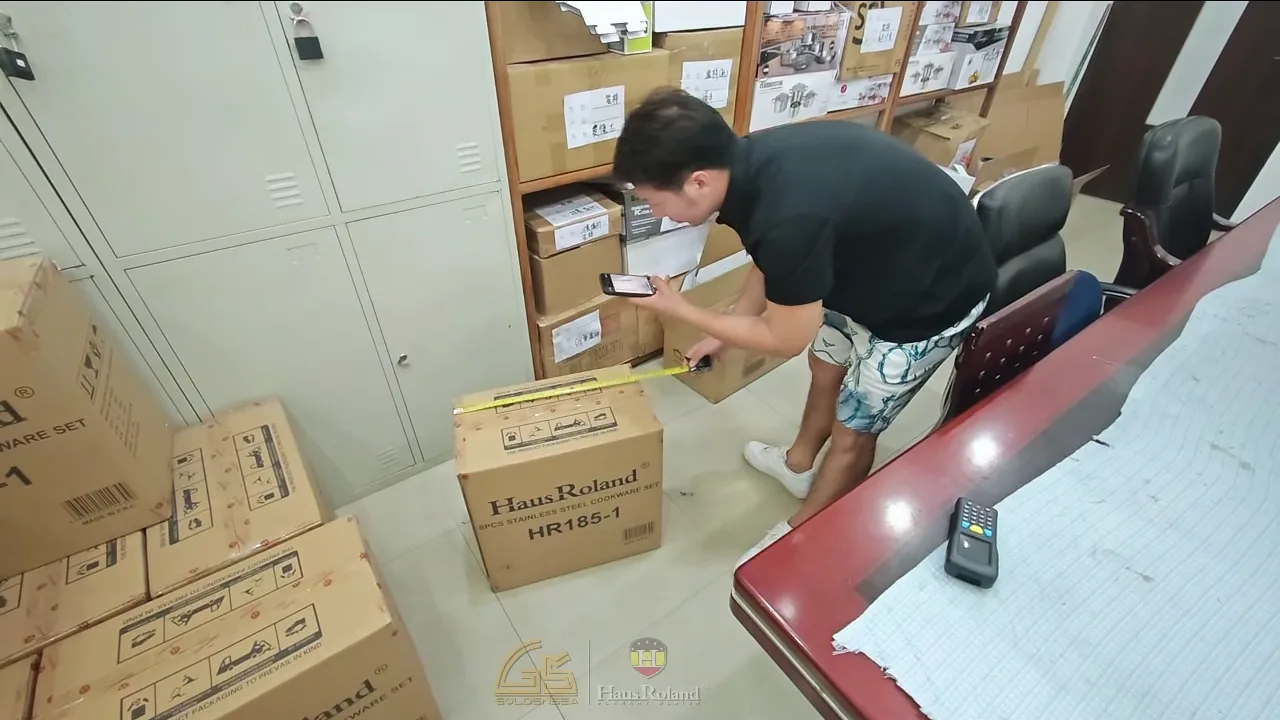
Separate sampling, bulk production and warehouse receipt. Ask whether quoted days are working or calendar days, which approvals start the clock and where the quoted period ends.
- Review a reference sample. Identify which construction, dimensions and workmanship it represents; branding or packaging may differ.
- Resolve development and validation. Confirm prototypes, tooling, changes and necessary product or packaging tests. A digital print proof cannot demonstrate transport protection.
- Approve and freeze the specification. Record the product, component, logo and packaging versions alongside a representative approved sample.
- Confirm production release. Document required payments, approvals, material readiness and the agreed production starting point.
- Inspect and release the batch. Define checks, deviation handling, corrections and any reinspection before shipment approval.
- Track shipment and receipt. Allow separately for transport, destination handling and warehouse receiving.
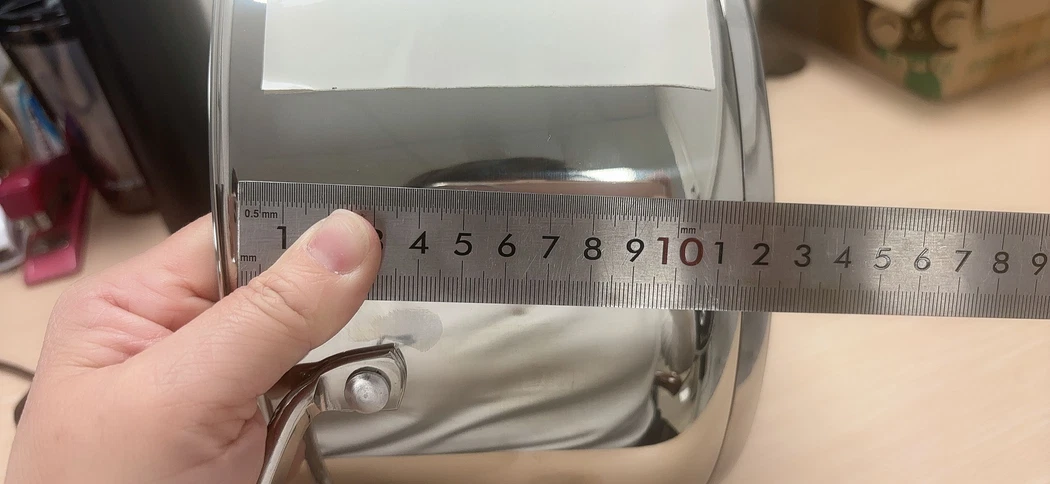
QIMA explains how reference samples support inspection comparisons. Pair the sample with written tolerances and acceptance criteria. Use the cookware quality checklist before bulk ordering for detailed checks. Select inspection and testing by project risk and channel requirements; a smaller batch does not remove necessary verification.
7. Prepare an RFQ—and Ask About Reorders
Send confirmed requirements, open questions and adjustable preferences in separate groups. You do not need every engineering answer before contacting the factory.
- Market and channel: destination, customer group, price position and launch objective.
- SKU schedule: model, construction, size, finish, handle/lid, packaging version, quantity and pcs/sets; attach set contents.
- Branding and packaging: logo file and location, box style, artwork, languages, labels and protective requirements.
- Samples and verification: features to approve, required documents, test scope and responsibilities.
- Commercial limits: currency, quotation scope, unit-price target or total cash ceiling, and acceptable alternatives.
- Timing: required factory completion, shipment and warehouse dates, plus destination or port.
We are planning a first private-label stainless steel cookware order for [market/channel]. Our attached SKU list states quantities as pieces or sets and lists set contents. Please confirm minimums by model, size, finish, components and packaging, plus setup charges, sample stages and production-start conditions. We can consider existing tooling and standard components. If our quantities are not feasible, please propose an alternative and show the total commitment, costs and timing.
Ask about same-specification reorder MOQ, price validity, retained components, packaging leftovers and the full replenishment period. Business Queensland’s stock-control guidance connects item-level demand with reorder arrival time. Review conservative sales assumptions before committing; a sales target is not proven demand.
Record saleable stock, incoming supply and quantities already promised to customers. Update the reorder decision as actual sales develop. Waiting until stock reaches zero before asking about production and shipping can leave an avoidable supply gap.
8. FAQ: Low-MOQ Private Label Cookware
What counts as low MOQ for private-label cookware?
There is no single industry-wide number. The meaningful comparison is the accepted quantity for the same model, configuration, branding and packaging scope. Ask for the unit and conditions in writing. A minimum stated in sets cannot be compared directly with individual cookware pieces.
Can I mix sizes or finishes to reach the MOQ?
Only if the supplier accepts that combination. Different sizes, finishes or packaging versions may retain separate minimums even within one order. Shared component purchasing does not automatically combine finished-product quantities. List every variant and ask which quantities can count together before approving the order.
Does an existing mold mean there are no setup costs?
No. Existing cookware tooling may avoid new body development, but logo tools, artwork, packaging, component changes or process setup can still create charges. Request an itemized quotation showing included work and separate fees. Confirm any refund or credit conditions rather than assuming those amounts disappear.
Can standard packaging help me start with fewer units?
It can be worth requesting as an alternative, but it does not guarantee a lower MOQ or total cost. Confirm the box, insert, label and artwork quantities, along with protection and channel requirements. A simpler package still needs to fit the cookware and carry required information.
How long does cookware sampling take?
It depends on whether you need an available reference sample, a development prototype or a representative approval sample. Ask which materials, finishes and packaging the sample covers, how revisions are handled and whether shipping is included. Confirm sample and bulk-production schedules separately, including their starting conditions.
Will repeat orders automatically have a lower MOQ?
No. Existing tooling or retained components may change the economics, but material availability, packaging, production scheduling and the confirmed specification still matter. Ask for reorder quantities and lead-time conditions during first-order planning. Recheck them when ordering again, particularly after any design or packaging change.
Discuss a feasible first cookware order. Share your proposed SKUs, quantity per SKU, target market, logo, packaging and required timing. Contact Goldensea to review the requirements and discuss a practical starting option.
Sources reviewed: 8 November 2026.

Rae Bao is a kitchenware product development and sales professional at Goldensea with over 10 years of industry experience. She focuses on new product planning, packaging development, and customer communication, helping translate market ideas and product requirements into practical kitchenware programs.
Connect with Rae on LinkedIn or contact Goldensea to discuss a kitchenware product development project.