Triply Stainless Steel Cookware Categories
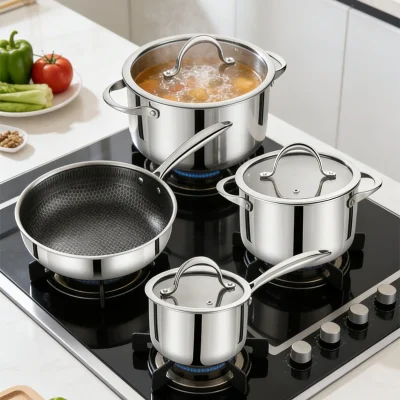
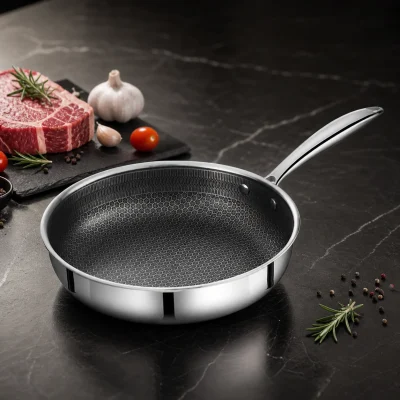
Explore cookware category pages for private label, wholesale, importer, retail, and HoReCa sourcing programs.

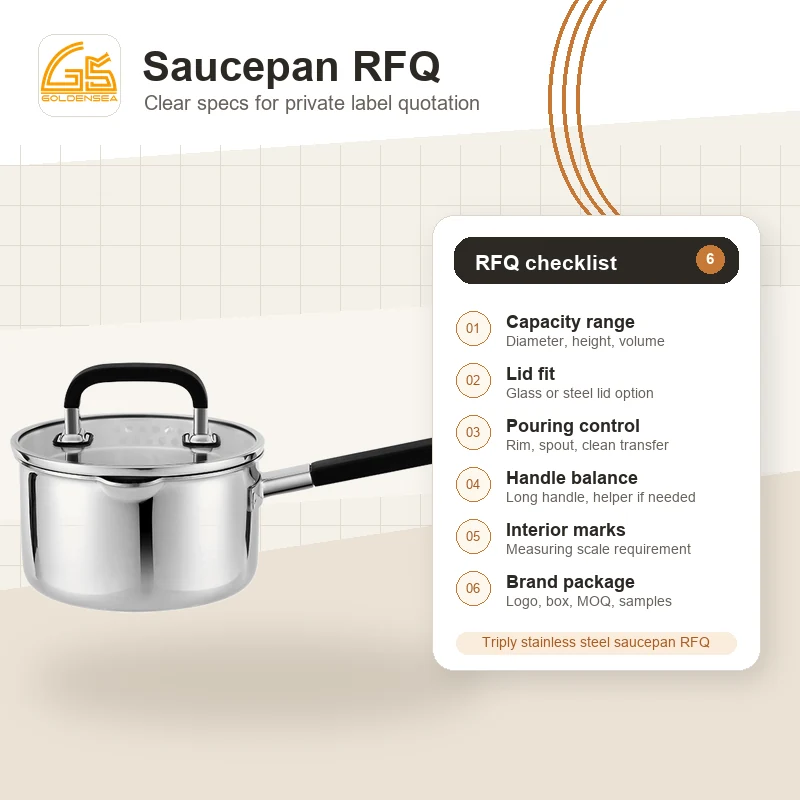
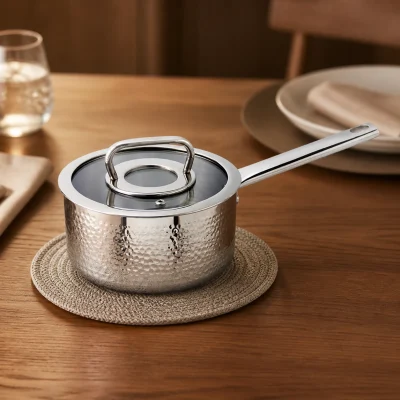
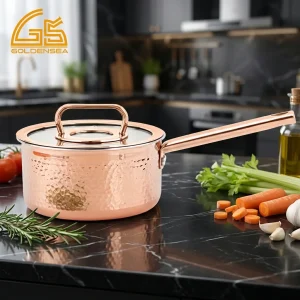
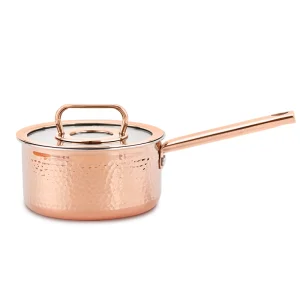
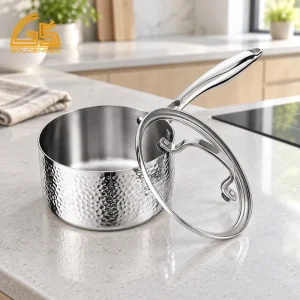
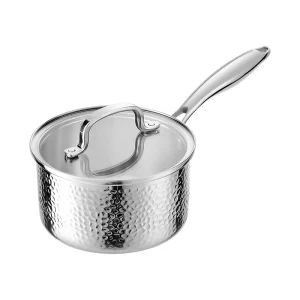
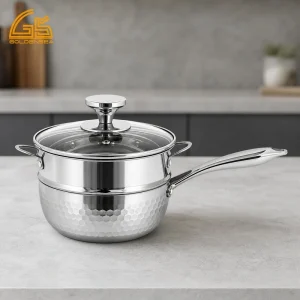
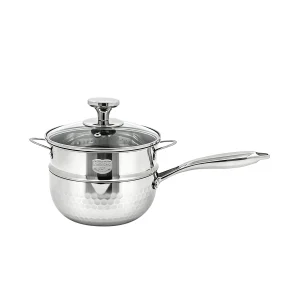
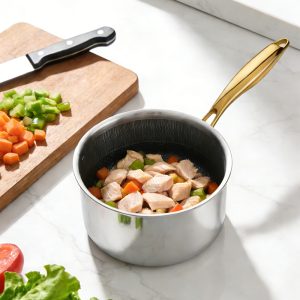
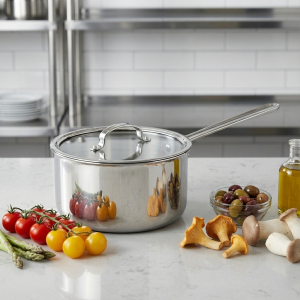
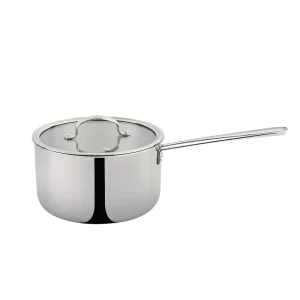
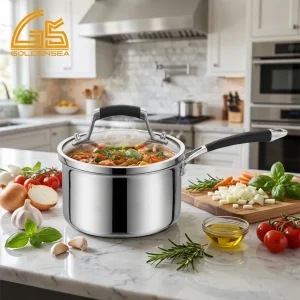
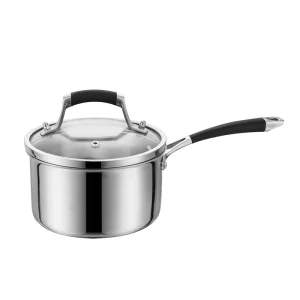
Tri-ply stainless steel saucepans for sauces, reheating, boiling, and controlled simmering, available for wholesale sourcing and custom cookware programs.
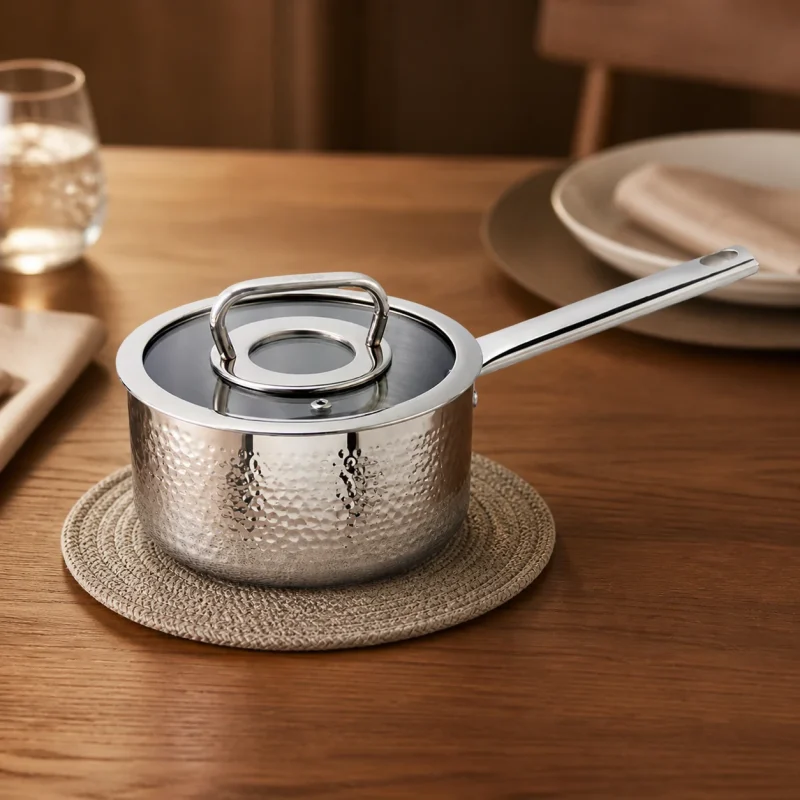
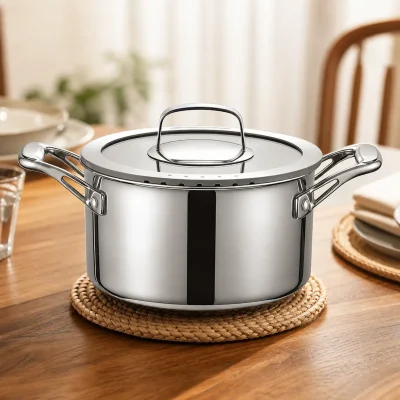
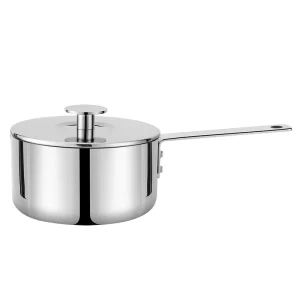
A triply stainless steel saucepan is a core daily-use SKU for cookware brands, importers, retail buyers, wholesale distributors, and selected HoReCa sourcing programs. Its deeper straight-sided body, compact footprint, and single long handle make it suitable for sauces, reheating, boiling, reducing, and controlled simmering.
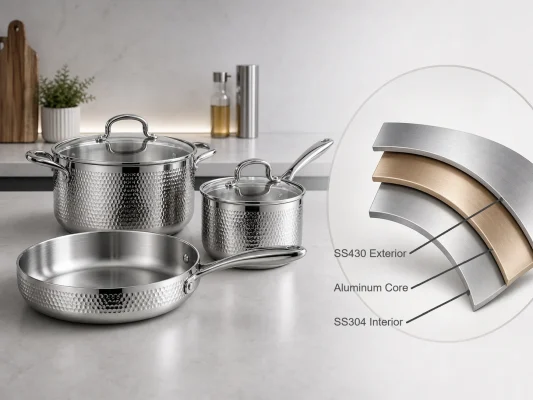
For B2B saucepan sourcing, buyers need more than a general stainless steel description. Capacity range, body construction, lid fit, pouring edge, handle balance, measuring marks, induction-ready base, surface finish, logo position, and packaging format all influence quotation accuracy and market fit. Goldensea supports OEM/ODM and private label saucepan programs based on existing models or buyer-defined channel requirements.
A saucepan is designed for liquid-heavy cooking tasks such as sauces, milk, reheating, boiling, and controlled simmering. For B2B sourcing, small design details can change how the product feels in daily use, especially when buyers compare private-label saucepan options for retail shelves or online cookware programs.
| Design Detail | Why It Matters | Buyer Impact |
|---|---|---|
| Tall straight sides | A deeper body helps hold liquid volume while reducing excessive evaporation compared with a shallow pan. | Makes the saucepan suitable for sauces, grains, reheating, and controlled simmering. |
| Long handle balance | Saucepan users often lift and pour with one hand, especially in small and medium capacities. | Better balance reduces handling complaints and improves user confidence. |
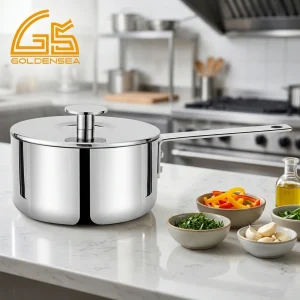
| Lid fit | A well-matched lid helps retain heat and control evaporation during simmering or boiling. | Supports more consistent cooking performance and a more complete retail SKU. |
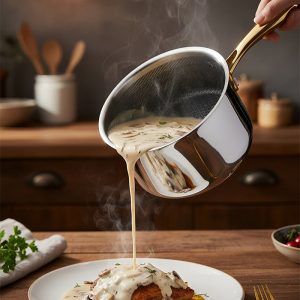
| Pouring rim or spout | Pouring control matters when handling hot liquids, sauces, milk, or broth. | Helps improve daily-use convenience and reduces mess during serving or transfer. |
| Interior measuring marks | Capacity marks help users measure water, milk, or sauce directly in the pot. | Adds practical value for private-label ranges without changing the core product shape. |
A clear saucepan RFQ helps the factory check whether an existing model fits the target market or whether the capacity, lid, handle, finish, or packaging needs adjustment. This is especially important for saucepans because small differences in lid fit, pouring control, handle balance, and base stability can affect buyer acceptance after launch.
For many standard private-label saucepan programs, MOQ can start around 500 pcs, depending on model selection, lid option, finish, packaging, and customization level.