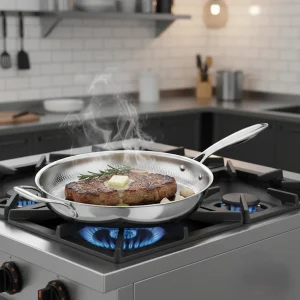
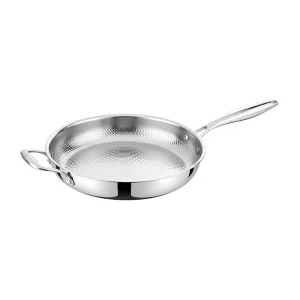
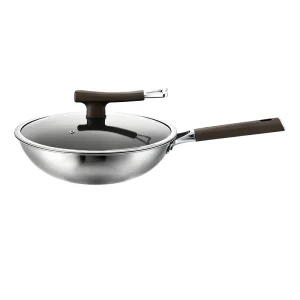
Triply Stainless Steel Cookware Categories
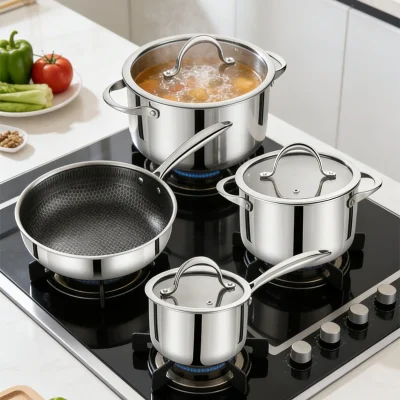
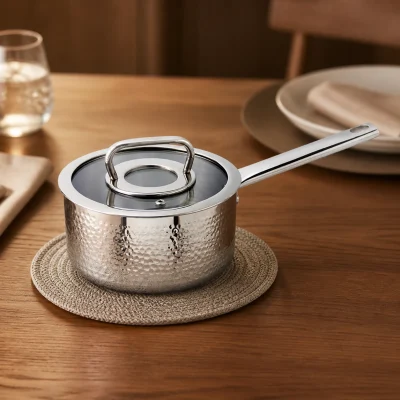
Explore cookware category pages for private label, wholesale, importer, retail, and HoReCa sourcing programs.

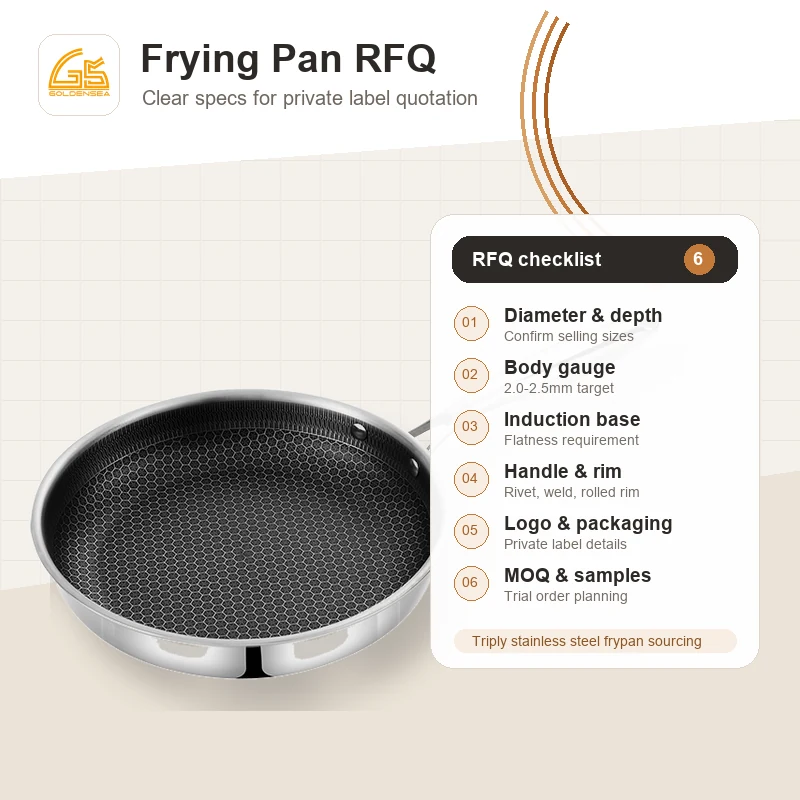
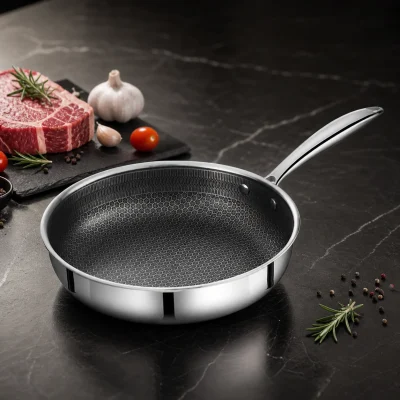
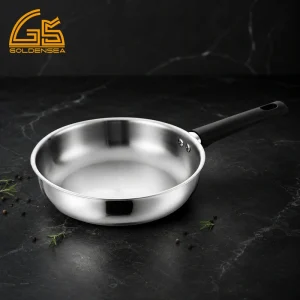
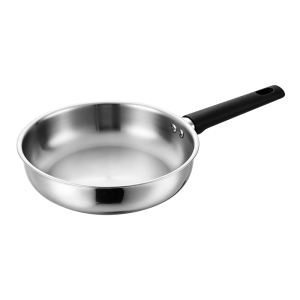
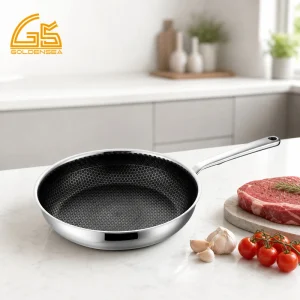
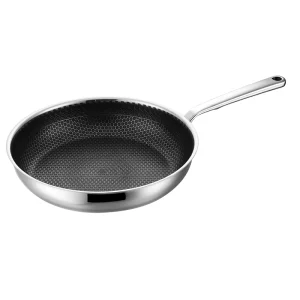
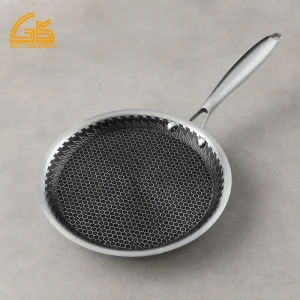
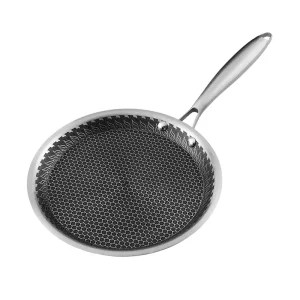
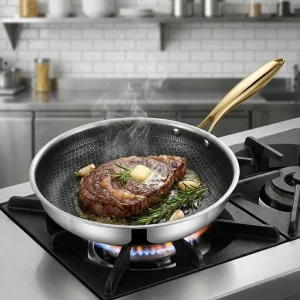
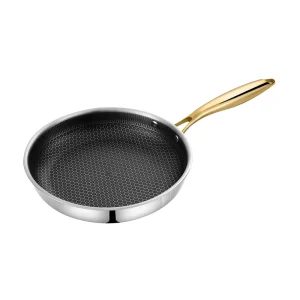
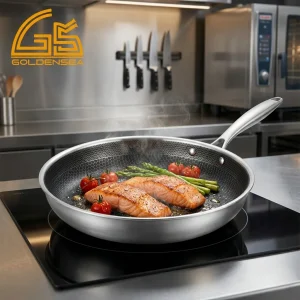
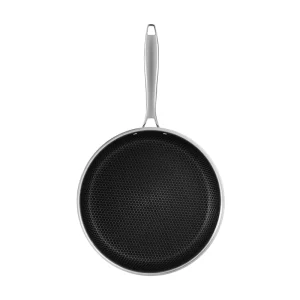
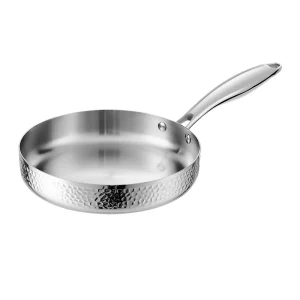
Triply stainless steel frying pans for searing, browning, and everyday cooking, suitable for bulk supply, OEM/ODM projects, and private label cookware lines.
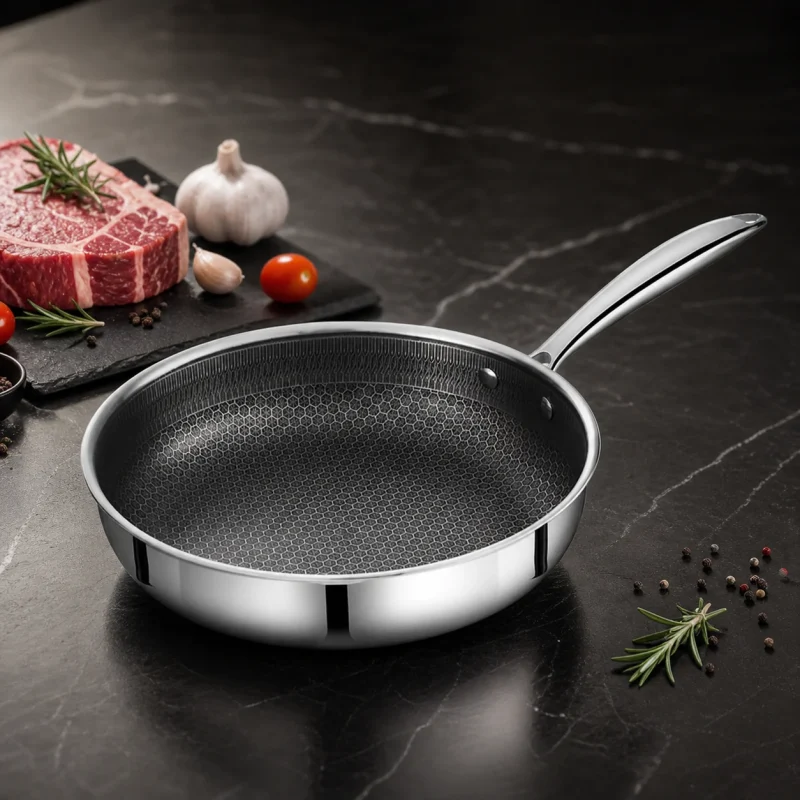
A triply stainless steel frying pan is a high-frequency SKU for cookware brands, importers, retail buyers, and wholesale distributors. Its low sloped sides, flat cooking base, and responsive metal structure make it suitable for searing, browning, sauteing, and everyday high-heat cooking across home and selected professional kitchen channels.
For B2B sourcing, the value of a triply fry pan is not only the stainless steel surface. Buyers also need to confirm construction type, base flatness, induction response, handle attachment, rim finish, exterior treatment, logo position, and packaging plan. Goldensea supports OEM/ODM and private label frying pan programs based on existing models or buyer-defined market requirements.
A triply stainless steel fry pan is usually selected for fast, high-heat cooking tasks where shape affects the final user experience. For B2B buyers, the key sourcing questions are not only diameter and finish, but also whether the pan shape supports searing, browning, base stability, and repeated daily handling in the target sales channel.
| Design Detail | Why It Matters | Buyer Impact |
|---|---|---|
| Low sloped sides | Sloped sidewalls help moisture escape quickly and make turning or lifting food easier during high-heat cooking. | Supports searing, browning, shallow frying, and everyday skillet-style use. |
| Flat cooking base | A stable flat base improves contact with gas, ceramic, electric, and induction cooktops. | Helps reduce wobbling, hot-spot complaints, and uneven cooking feedback after launch. |
| Flared rim | A clean rim profile supports easier pouring of pan juices, oil, or reductions after cooking. | Improves perceived quality and daily-use convenience for retail and private-label customers. |
| Secure handle attachment | Fry pans are lifted, shaken, washed, and heated frequently, so handle strength affects long-term user confidence. | Helps lower complaint risk in high-frequency SKUs and repeat-order programs. |
A clear RFQ helps the factory check whether an existing frying pan model can meet the target market or whether the structure, handle, finish, or packaging needs adjustment. This is especially important for stainless steel fry pans because small differences in base flatness, rim shape, handle balance, and induction response can affect user experience and after-sales feedback.
For many standard private-label frying pan programs, MOQ can start around 500 pcs, depending on model selection, finish, packaging, and customization level.